
Indonesia is a country rich in cultural diversity, and this is reflected in its culinary traditions. Among the many traditional snacks that have been passed down through generations, peuyeum, colenak, and kue garut stand out as unique and flavorful examples of Indonesia’s heritage. These snacks not only offer a taste of the past but also continue to be cherished by locals and visitors alike. In this article, we delve into the history, preparation, and significance of these three beloved traditional snacks.
What Are Peuyeum, Colenak, and Kue Garut?
Peuyeum, colenak, and kue garut are all traditional Indonesian snacks originating from West Java. They are often enjoyed as street food or during special occasions and are known for their distinct textures and flavors.
- Peuyeum is a type of sweet snack made from rice flour, sugar, and coconut milk. It has a soft, chewy texture and is typically served in small pieces.
- Colenak is a savory snack made from a mixture of rice flour, water, and various fillings such as vegetables, meat, or eggs. It is usually deep-fried and served with a spicy sauce.
- Kue garut refers to a variety of cakes and pastries that are popular in the Garut region of West Java. These can range from simple rice cakes to more elaborate desserts.
The History and Cultural Significance
These snacks have deep roots in the culture of West Java, where they have been enjoyed for centuries. Each of them reflects the ingenuity of local communities in using available ingredients to create delicious and satisfying meals.
Peuyeum, for example, is believed to have originated from the Sundanese people, who used it as a treat during festivals and family gatherings. Its soft texture and sweet flavor make it a favorite among children and adults alike.
Colenak, on the other hand, is often associated with street vendors and markets. Its versatility allows for a wide range of fillings, making it a popular choice for those looking for a quick and tasty snack.
Kue garut, named after the Garut region, includes a variety of traditional cakes that have been adapted over time. Some of these cakes are simple, while others are more complex, featuring layers of rice flour, coconut, and spices.
How Are They Made?

The preparation of these snacks involves a mix of traditional techniques and locally sourced ingredients.
- Peuyeum is made by mixing rice flour with sugar and coconut milk, then shaping the dough into small balls. These are then steamed until soft and chewy.
- Colenak starts with a batter made from rice flour, water, and seasonings. The batter is then filled with various ingredients and deep-fried until golden brown. It is often served with a spicy peanut sauce.
- Kue garut varies depending on the specific type. Some are made by layering rice flour and coconut, while others are filled with fruits, nuts, or sweets.
Popular Variations and Regional Differences
Each of these snacks has its own set of variations, reflecting the diverse culinary landscape of Indonesia.
- Peuyeum can be found in different forms, such as peuyeum balek (a version with a crispy exterior) or peuyeum gandul (a softer, more delicate version).
- Colenak comes in many styles, including colenak telur (with egg), colenak sayur (with vegetables), and colenak daging (with meat).
- Kue garut includes a wide range of cakes, such as kue putri salju (a snowflake-shaped cake), kue lapis (layered cake), and kue dadar gulung (rolled pancake).
Where to Find Them
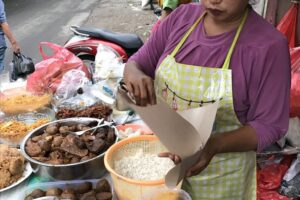
These traditional snacks are commonly found in markets, street stalls, and local eateries throughout West Java. They are especially popular in cities like Bandung, Garut, and Tasikmalaya, where they are often sold by vendors who have been making them for generations.
In addition to being available in local shops, some of these snacks are also sold at food festivals and cultural events, offering visitors a chance to experience the authentic flavors of Indonesia.
Why They Matter
Beyond their delicious taste, peuyeum, colenak, and kue garut represent the cultural identity of West Java. They are more than just snacks; they are a symbol of tradition, community, and the enduring spirit of Indonesian cuisine.
As modernization continues to shape the food landscape, these traditional snacks serve as a reminder of the importance of preserving culinary heritage. By enjoying and supporting these foods, we help keep the stories and flavors of Indonesia alive for future generations.